
Therapies
Family Therapy
Systemic restoration. We facilitate dedicated sessions to repair communication and educate your support system on the science of addiction, ensuring a stable environment for your return home.
 The Joint Commission (Gold Seal of Approval)
 LegitScript Certified
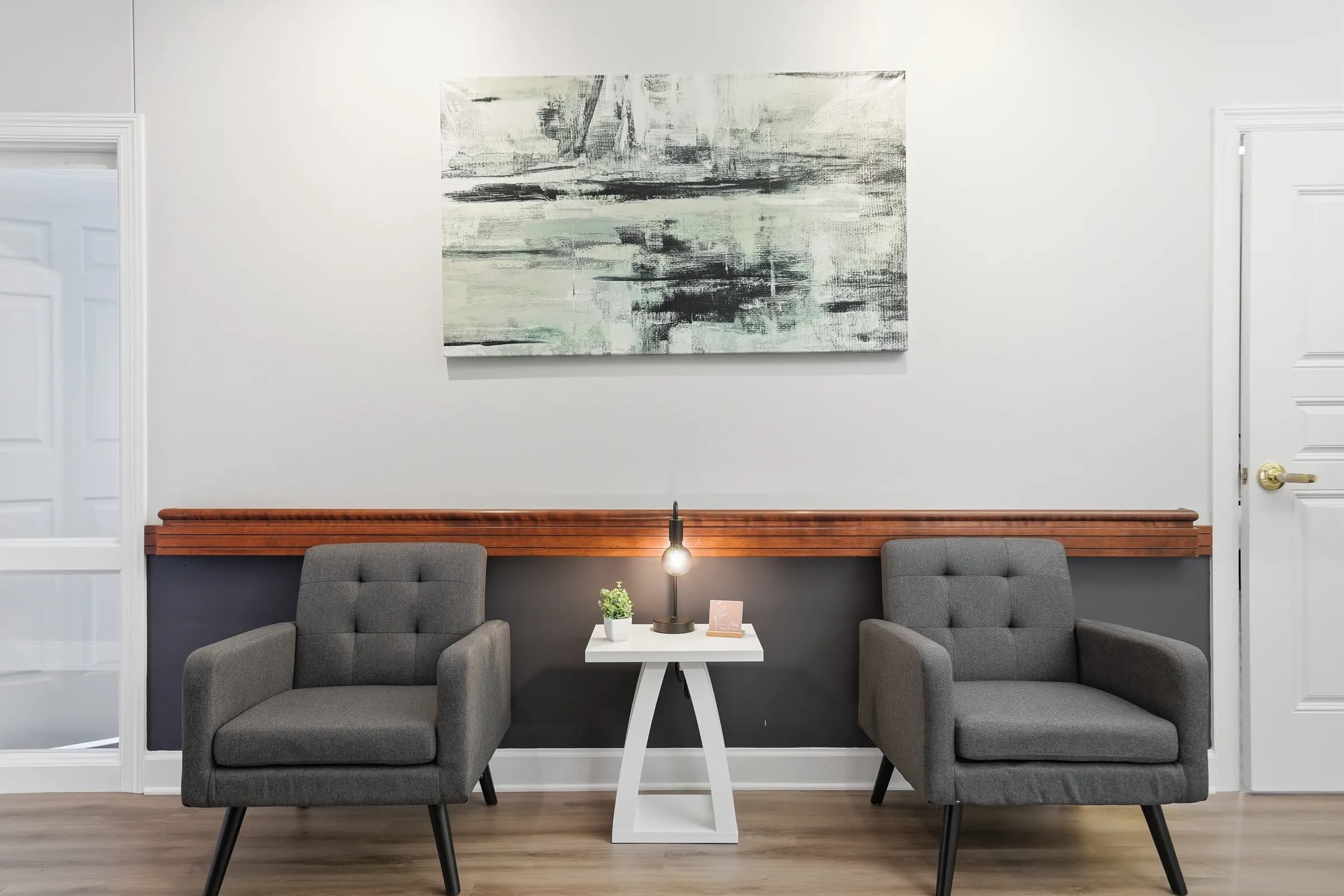
What Family Therapy involves
Addiction rarely affects one person in isolation, and recovery is harder when the household someone returns to has not been part of the process. Family sessions bring the people closest to you into the work.
Two things usually need attention. The first is information: what a substance use disorder actually is, what relapse means, and what is and is not within your family's control. The second is communication — long-standing patterns of blame, silence or over-management that tend to build up over years and do not resolve on their own.
Other Therapies We Offer
Evidence-based approaches our clinicians combine in every treatment plan.
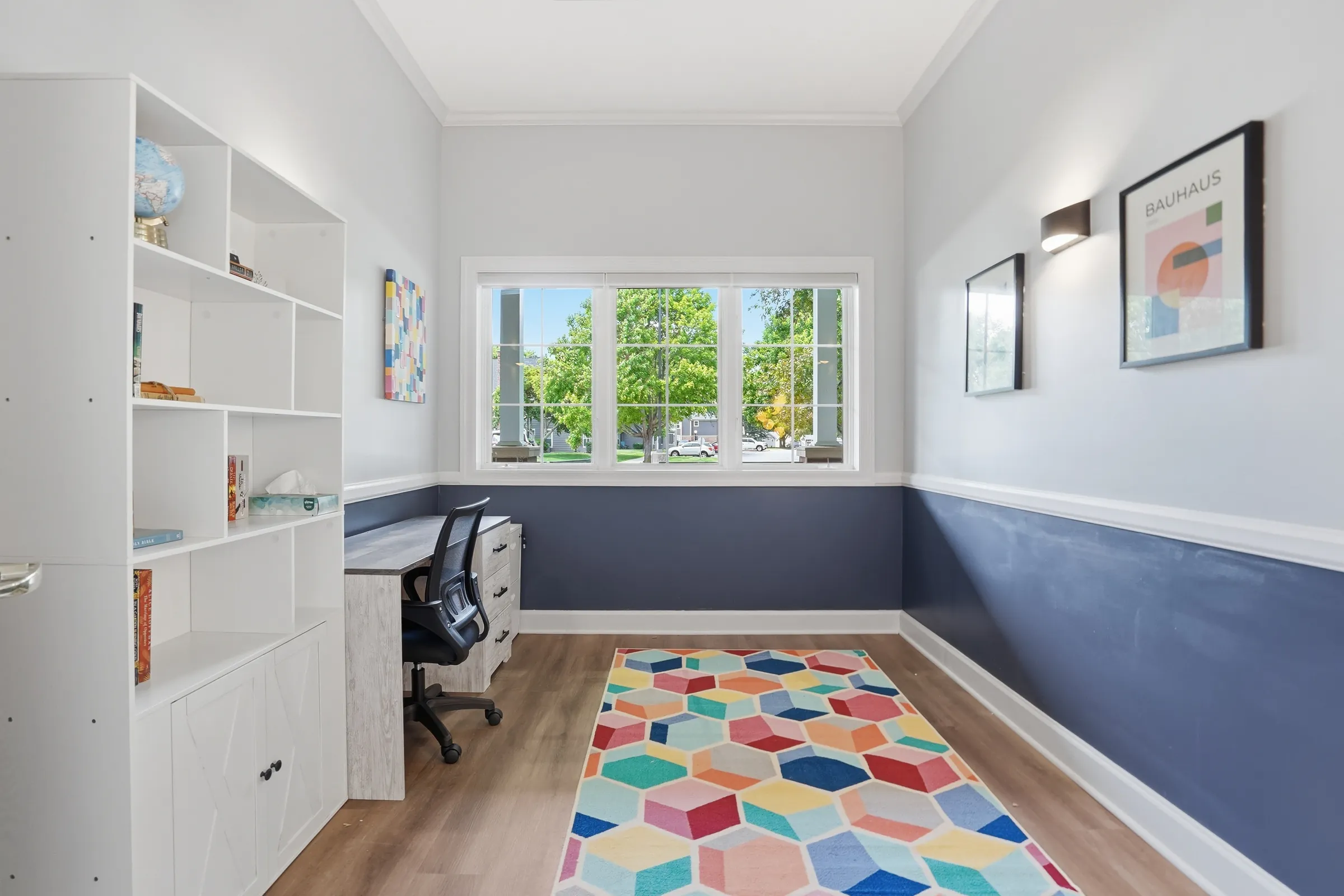
Cognitive Behavioral Therapy (CBT)
Pattern recognition. Our staff utilizes CBT to identify the automatic negative thoughts and environmental triggers that lead to substance use, replacing them with practical, proactive coping mechanisms.
Learn more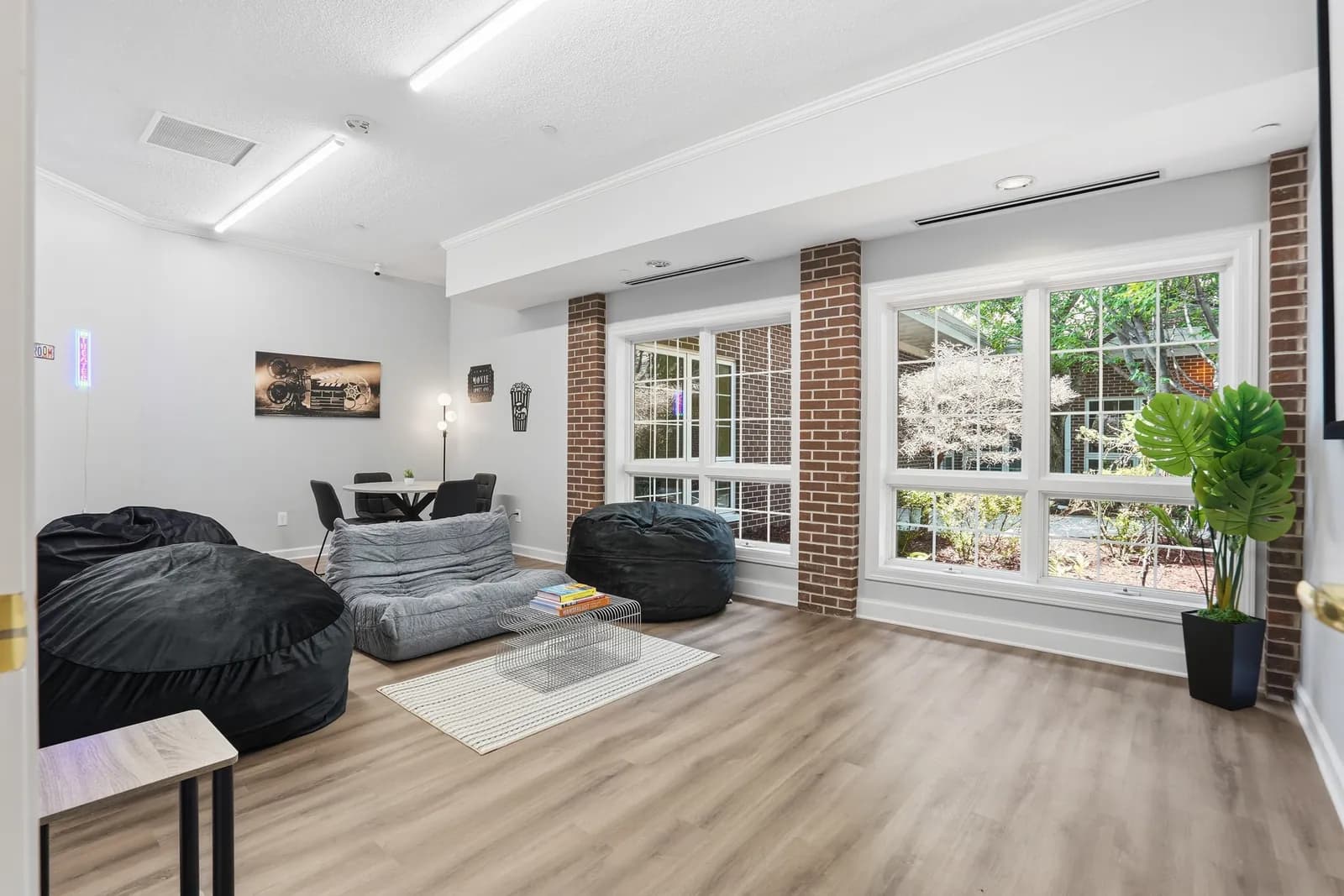
Dialectical Behavior Therapy (DBT)
Emotional regulation. Specifically designed for dual-diagnosis care, DBT provides the tools needed for distress tolerance and interpersonal effectiveness, helping you manage intense emotions without drugs or alcohol.
Learn more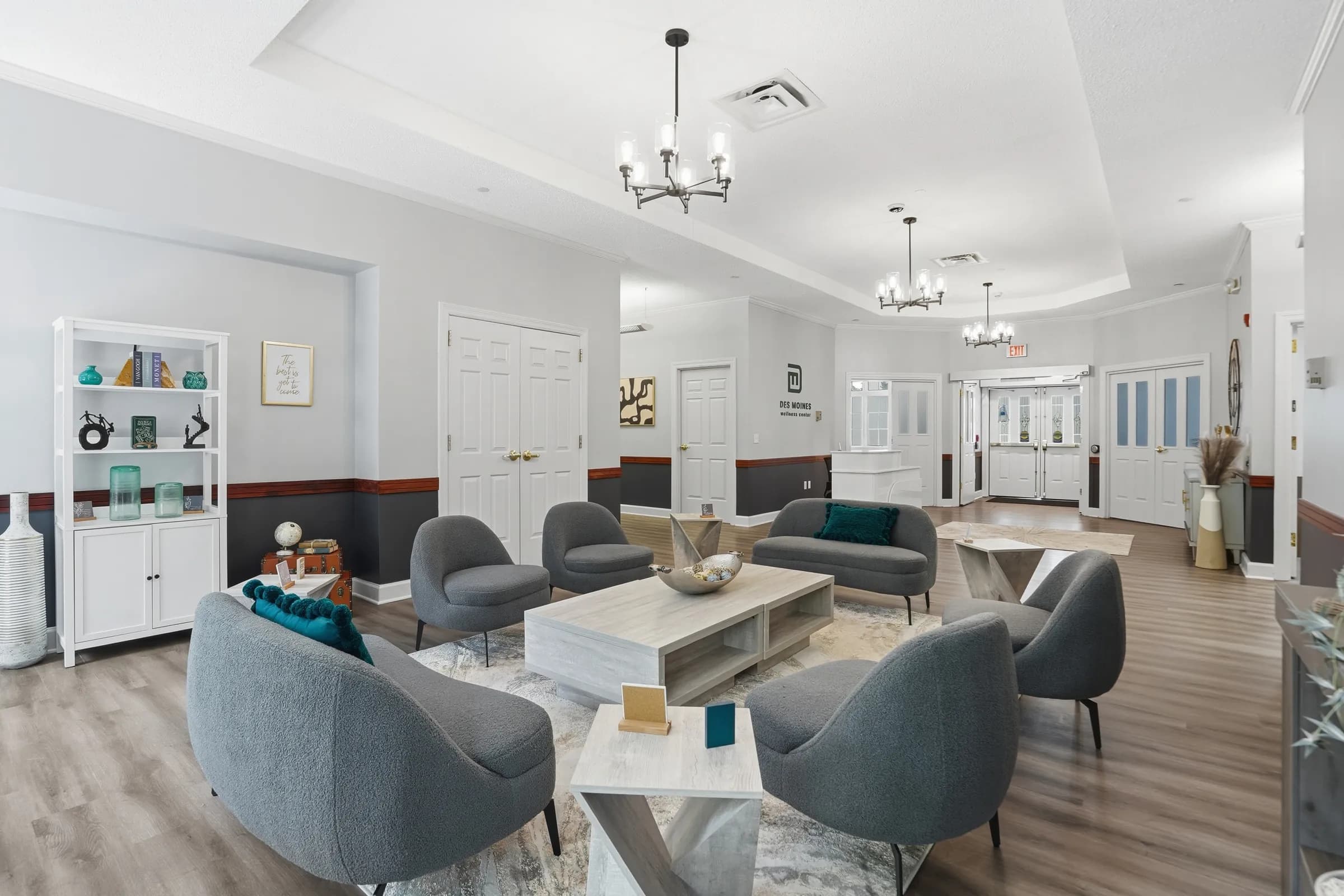
Group Therapy
Peer-supported recovery. These facilitated sessions reduce isolation by connecting you with others facing similar challenges, providing a safe environment to practice social skills and emotional accountability.
Learn more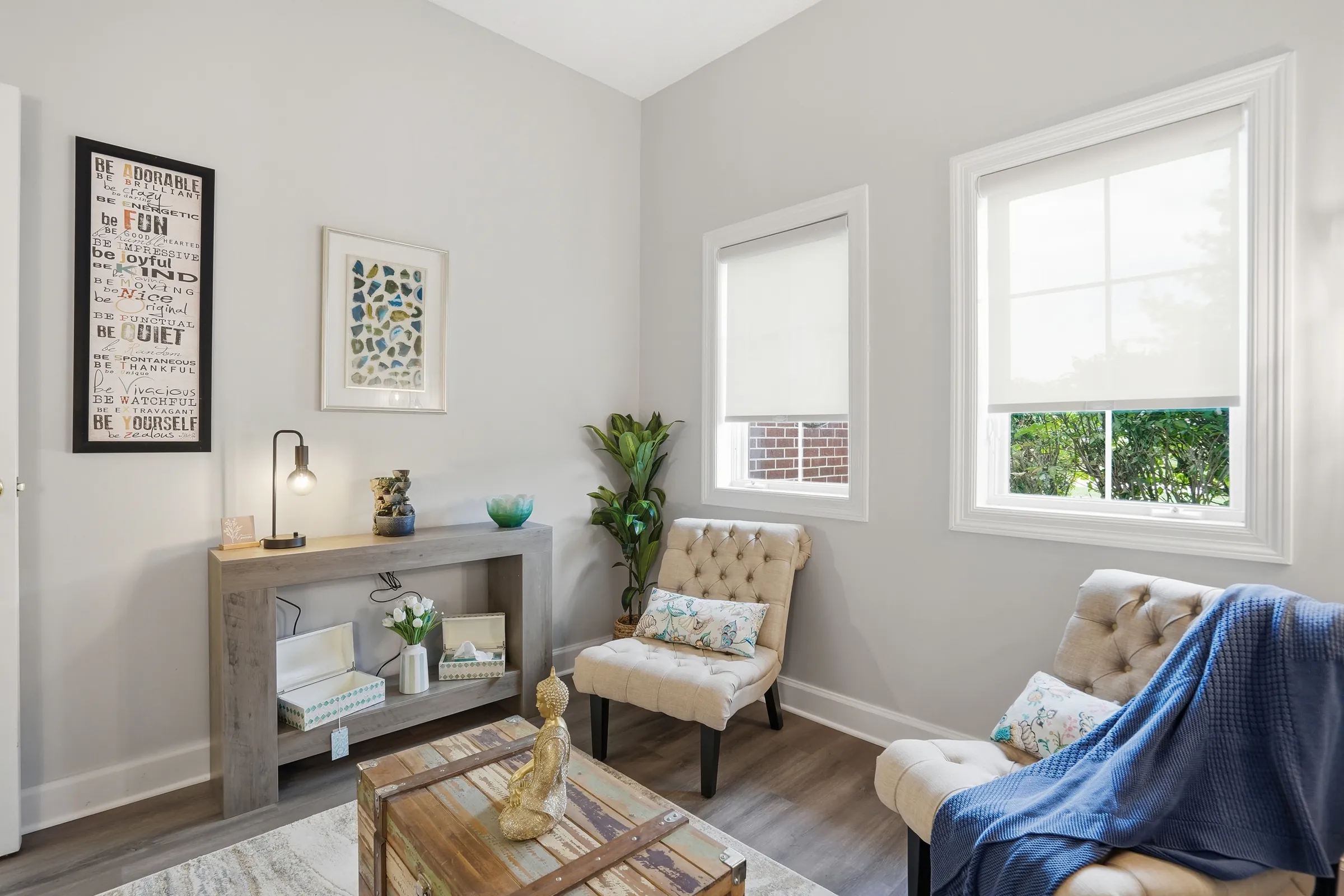
Individual Therapy
Private sessions with board-certified counselors to process personal history, set goals, and develop individualized relapse prevention strategies.
Learn more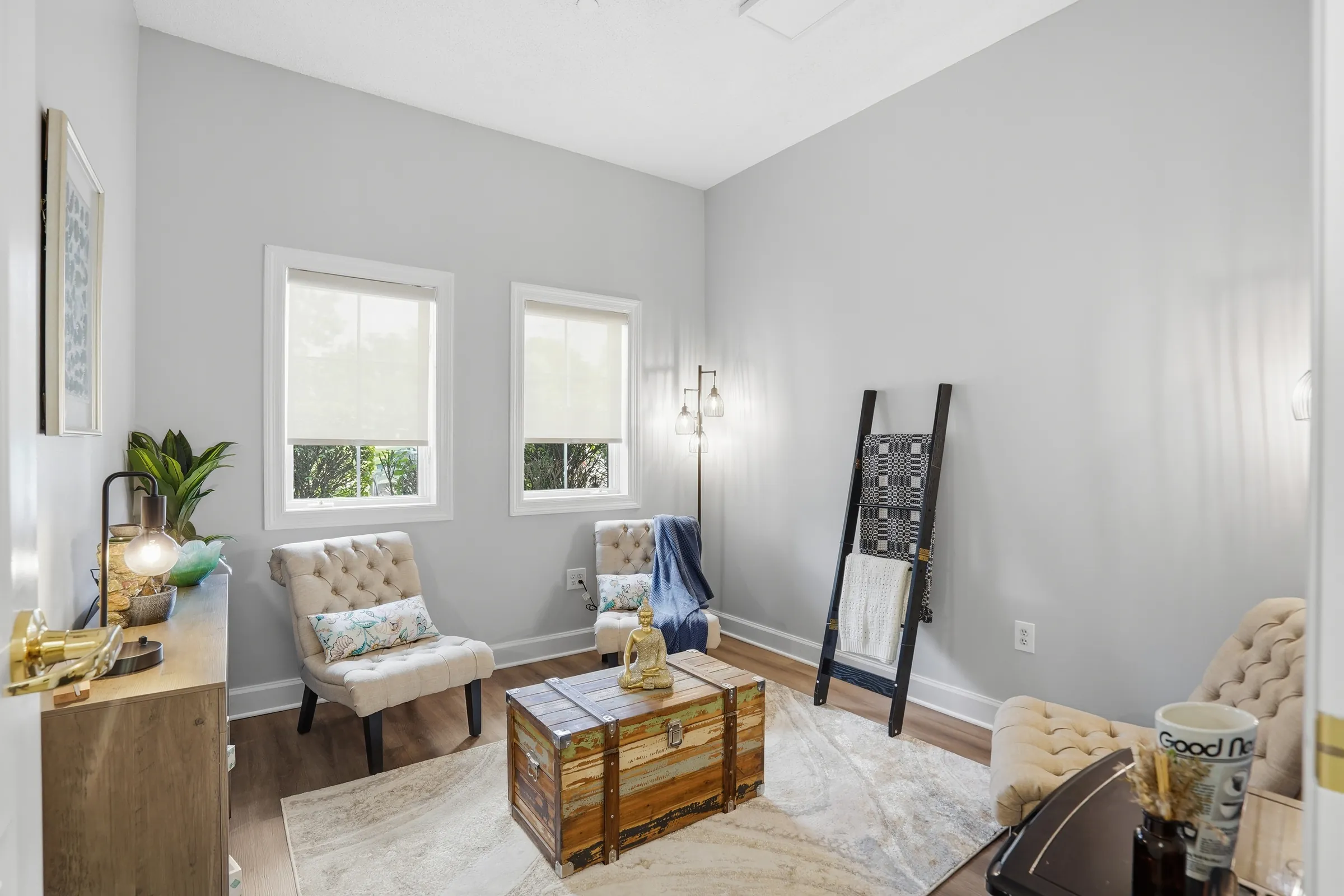
Trauma-Informed Care
Safety-first processing. We recognize the impact of past trauma on addiction. Our clinicians use specialized protocols to process these experiences and reduce hyper-vigilance without causing re-traumatization.
Learn moreWhat to expect
Education first
Families are given a clear account of addiction as a medical condition, which changes how the rest of the conversation goes.
Facilitated conversations
A clinician is present to keep difficult sessions productive rather than letting them re-run old arguments.
Planning for home
Sessions cover what support looks like in practice once treatment ends, including boundaries everyone can hold.
Where it fits in your care
Available at these levels of care. Most people move through more than one.
Residential Inpatient
Scheduled family sessions during the residential stay, including remote attendance.
Learn more — Residential InpatientIntensive Outpatient (IOP)
Sessions timed around the household's own work and school commitments.
Learn more — Intensive Outpatient (IOP)Dual Diagnosis
Additional education where a co-occurring mental health condition is involved.
Learn more — Dual DiagnosisAftercare & Alumni
Continued family contact as part of the alumni programme.
Learn more — Aftercare & AlumniClient Testimonials
They Trusted Us. So Can You.
Speak with our clinical team
Our intake specialists are available 24/7 for a confidential assessment. We can talk through which therapies fit your situation and verify your insurance on the same call.
Find Us
Minutes from Des Moines, in Johnston
Our campus sits at 5820 Winwood Dr, Johnston, IA 50131, a short drive from downtown Des Moines and easily reached from Polk and Dallas County.